Unlocking the secrets of the early placenta-
Towards groundbreaking discoveries in Women’s and Infant health and thriving.

Our mission:
To make strides in basic scientific understanding of early human placental and embryonic development, a timeframe not studied before in humans. We utilize cutting-edge in vitro modeling techniques to gain knowledge of this understudied area.
Our goal is to understand the origins of preeclampsia and other pregnancy diseases related to the placenta, and ultimately find a cure for preeclampsia.
Projects:
Placental Villous Development
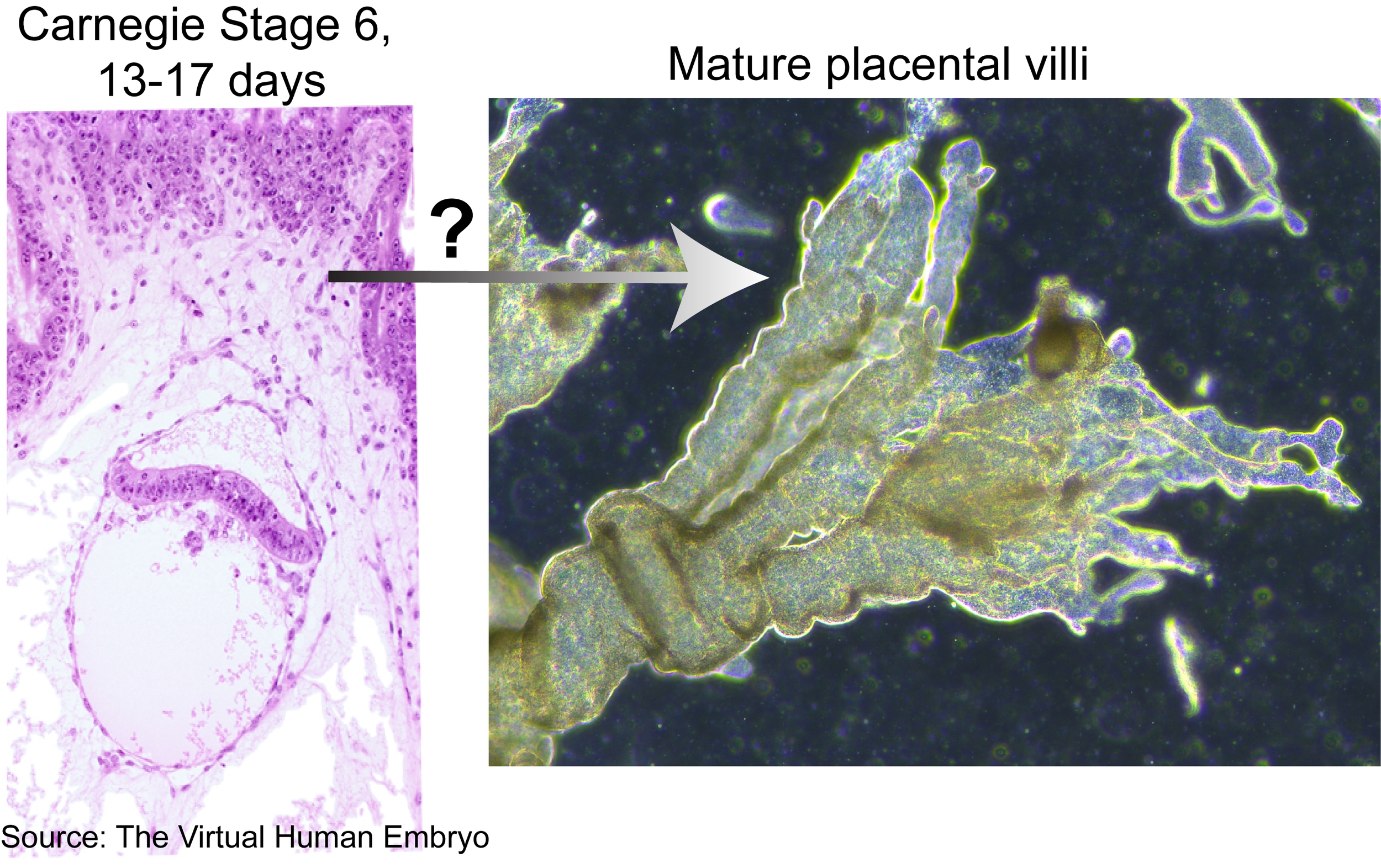
Placental development can be broken down into two major phases- 1) the lacunar, pre-villous stage. 2) The tree-like placental villous stage. The first stage is responsible for the implantation process, and the second is the longer-term functional tissue of the placenta, incorporating stromal, endothelial, macrophage, and trophoblast tissue layers that sustain the pregnancy. Snapshots of each stage have been well categorized and studied, but how does the previllous stage DEVELOP into the second stage? What are the hallmarks and developmental milestones that describe this transition? How do placental villi grow and branch? There are many unknowns around this stage that have disease relevance in humans.
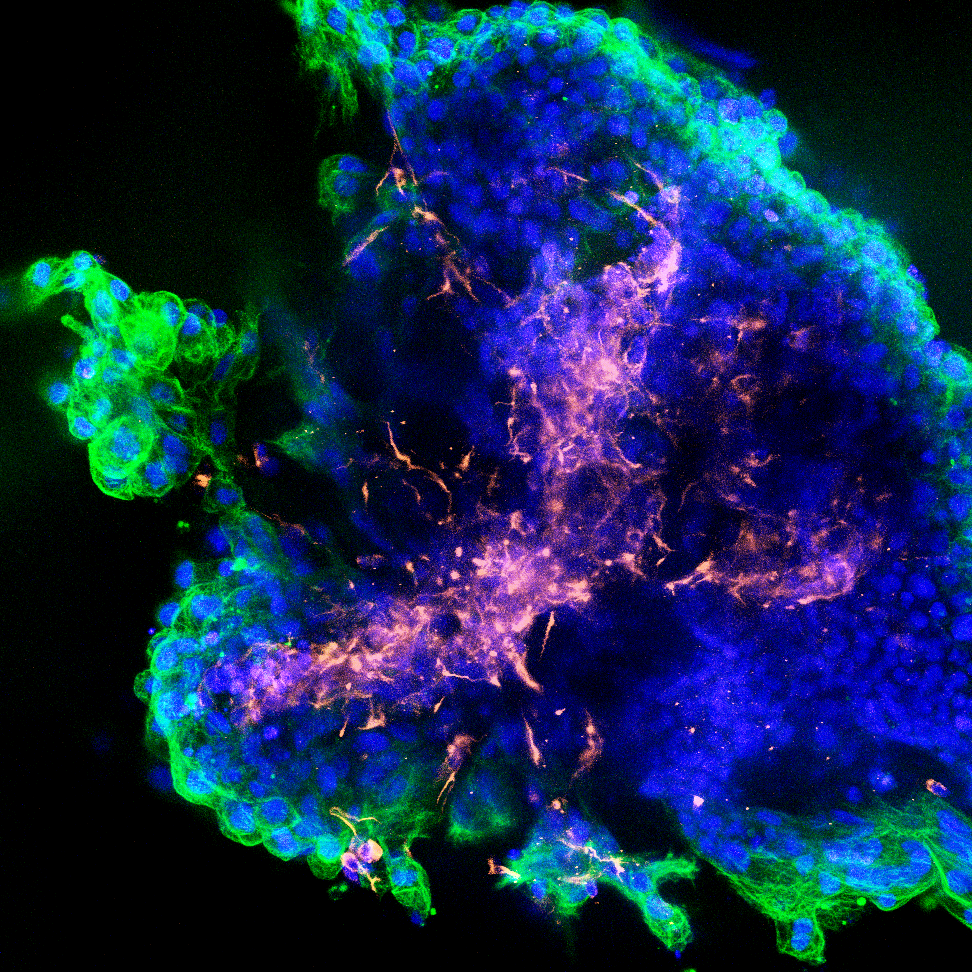
We utilize in vitro modeling to study this transition in the lab, established from our 2022 article describing stem cell derived trophoblast organoids. Pluripotent stem cells provide a developmentally relevant platform to generate models of this time frame. Our lab utilizes both naive and primed pluripotent stem cells to rebuild villi from scratch, and we utilize the integrated human embryo model to observe and study initial placental villous formation.
The Placenta-Brain Axis:
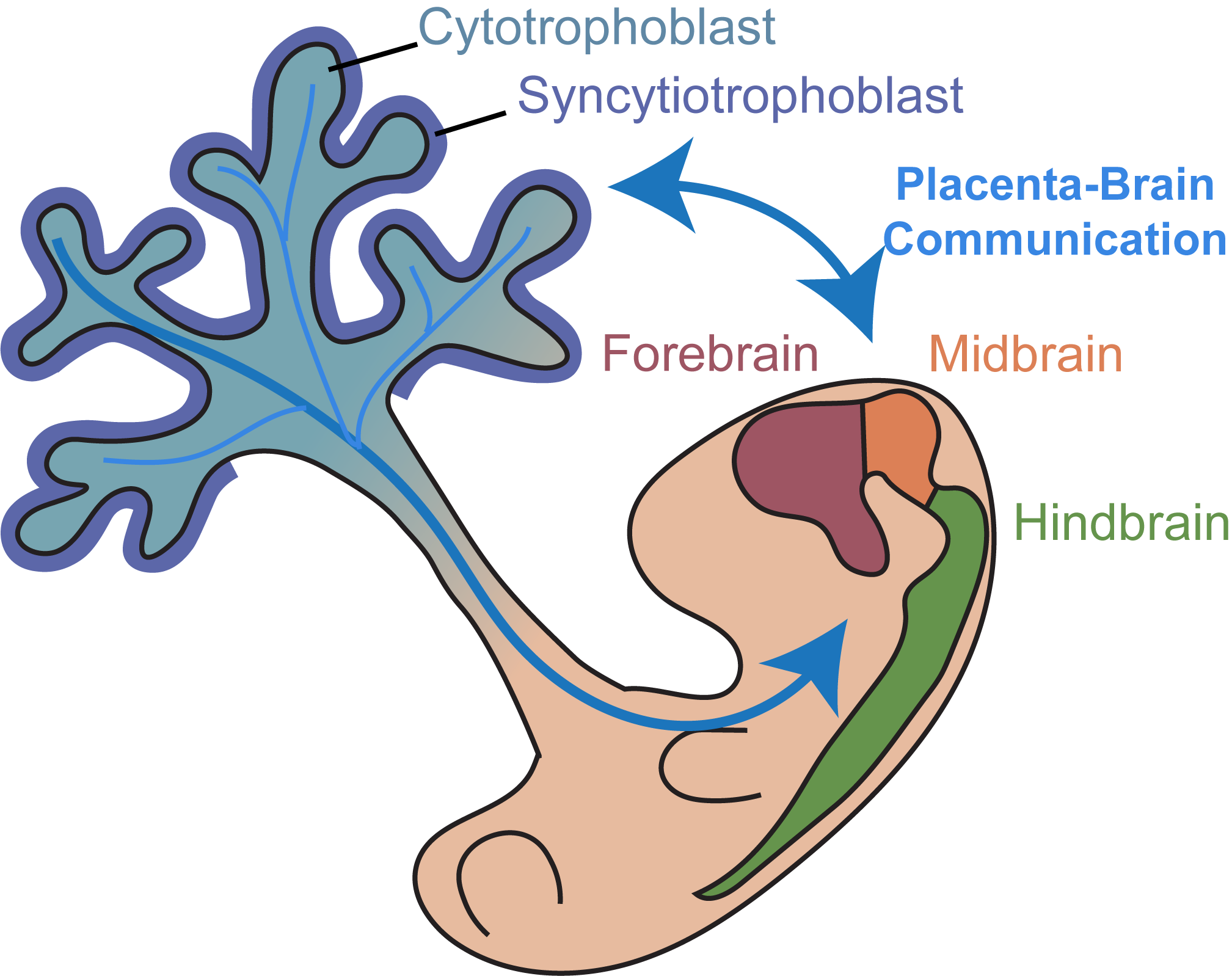
The placenta is a dynamic organ engaging in fetal-placental-maternal communication, delegating tailored nutrient requirements between the maternal and fetal systems for proper development. Burgeoning evidence from mice and clinical human data suggests a link between the placenta and the developing fetal brain. We seek to understand how maternal environmental exposures are translated through the placenta to impact fetal brain development, as modeled in vitro with cortical assembloid organoid models. Disease implications include autism spectrum disorder, anxiety, and impulse control disorders, among others.
Integrated Human Embryo Model
Blastoids and human embryo models are innovative stem-cell-based models of blastocyst and early embryonic development. My lab utilizes the embryo model developed in 2023, a continuous integrated pre- to post-implantation human embryo model that develops robust early placental trophoblast cells and structures, as well as embryonic cells and structures through perigastrulation. We continue to optimize and study this model to disentangle the process of implantation, early gastrulation, placental villous development, and how these structures interact with cells and structures of the maternal endometrium.
Finding a cure for Preeclampsia
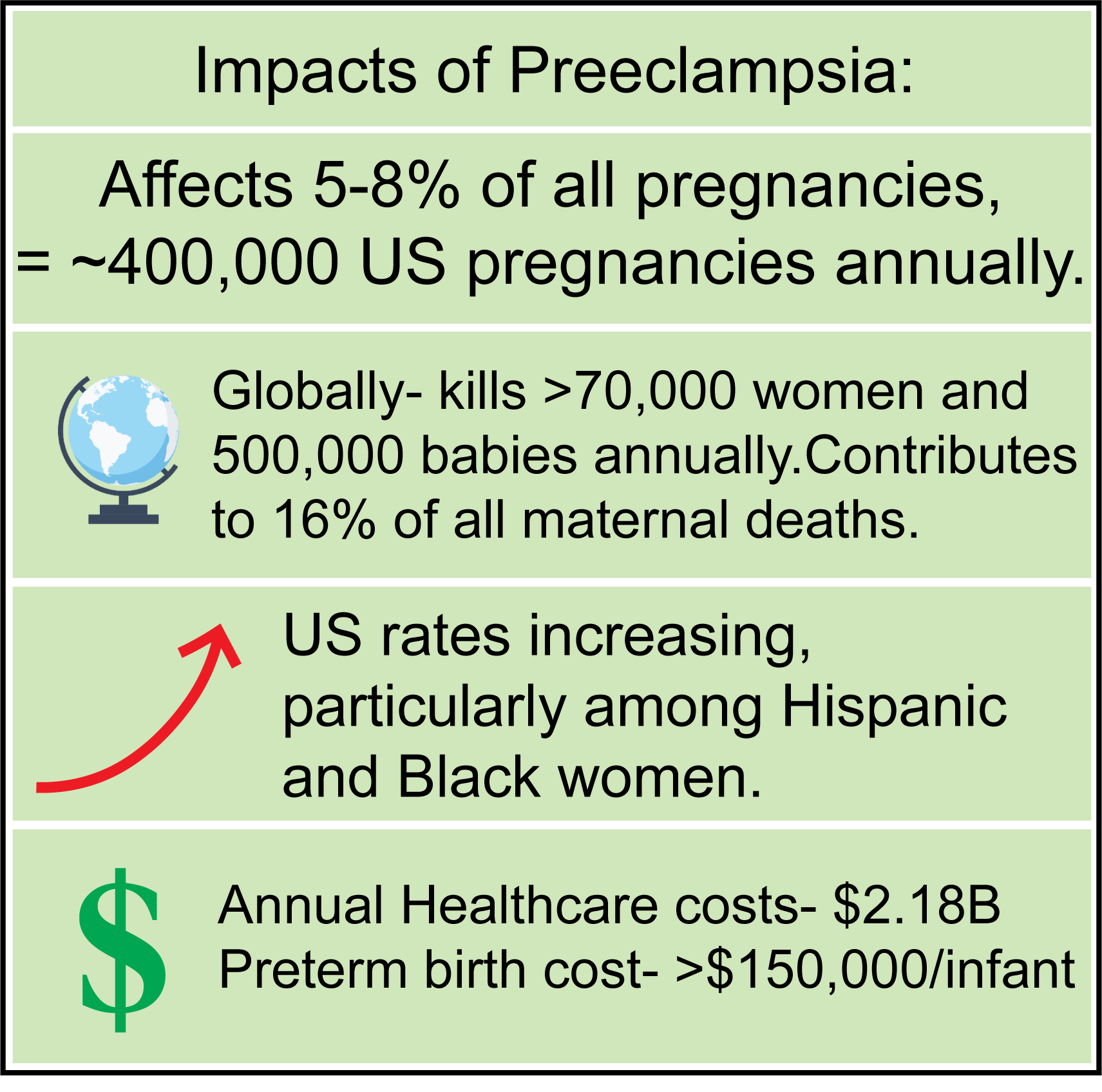
Our laboratory is dedicated to understanding the etiology of and to boldly discover a therapeutic for preeclampsia. Preeclampsia is a disease that has likely been with us as long as we walked upright, evolved an unusually invasive placenta, and large fetal brains. This human-specific disease afflicts 5-8% of all pregnancies and is the second-leading killer of women behind hemorrhage. For not entirely understood reasons, it is also increasing in prevalence in developed countries and sustainably killing women of less developed countries with reduced access to modern medical care. The most severe forms require early termination, forcing parent(s) to make heartbreaking decisions to sustain the health and life of the mother.
We are driven to understand the causes of insufficient invasive trophoblast development, improper villous growth and branching, and to develop early detection and intervention strategies.
We are seeking angel investment support for this project. Please contact Dr. Karvas for more information.
Our Team
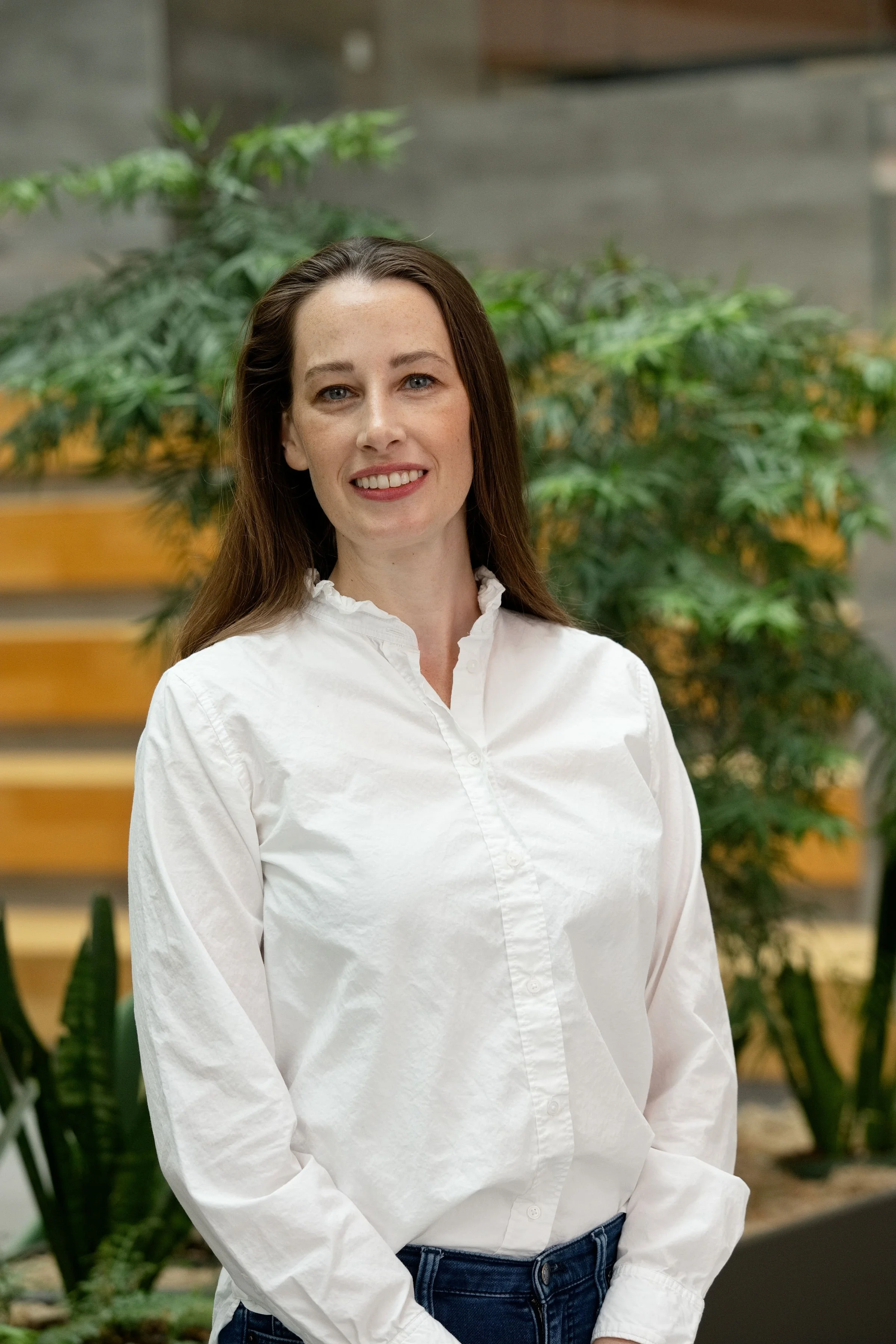
Rowan Karvas, PhD
Principal Investigator
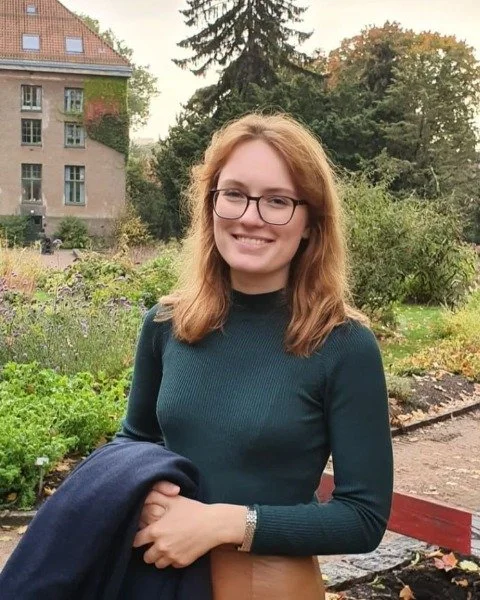
Julia Gundersen, PhD
Postdoctoral Research Scholar

Louise Scriven
Undergraduate Researcher, Engineering

Francis
Principal Snuggler
You?! Join our team!
Seeking:
Graduate students
Postdoctoral Research Associates.
Laboratory Staff and Technicians
Lab News and Events
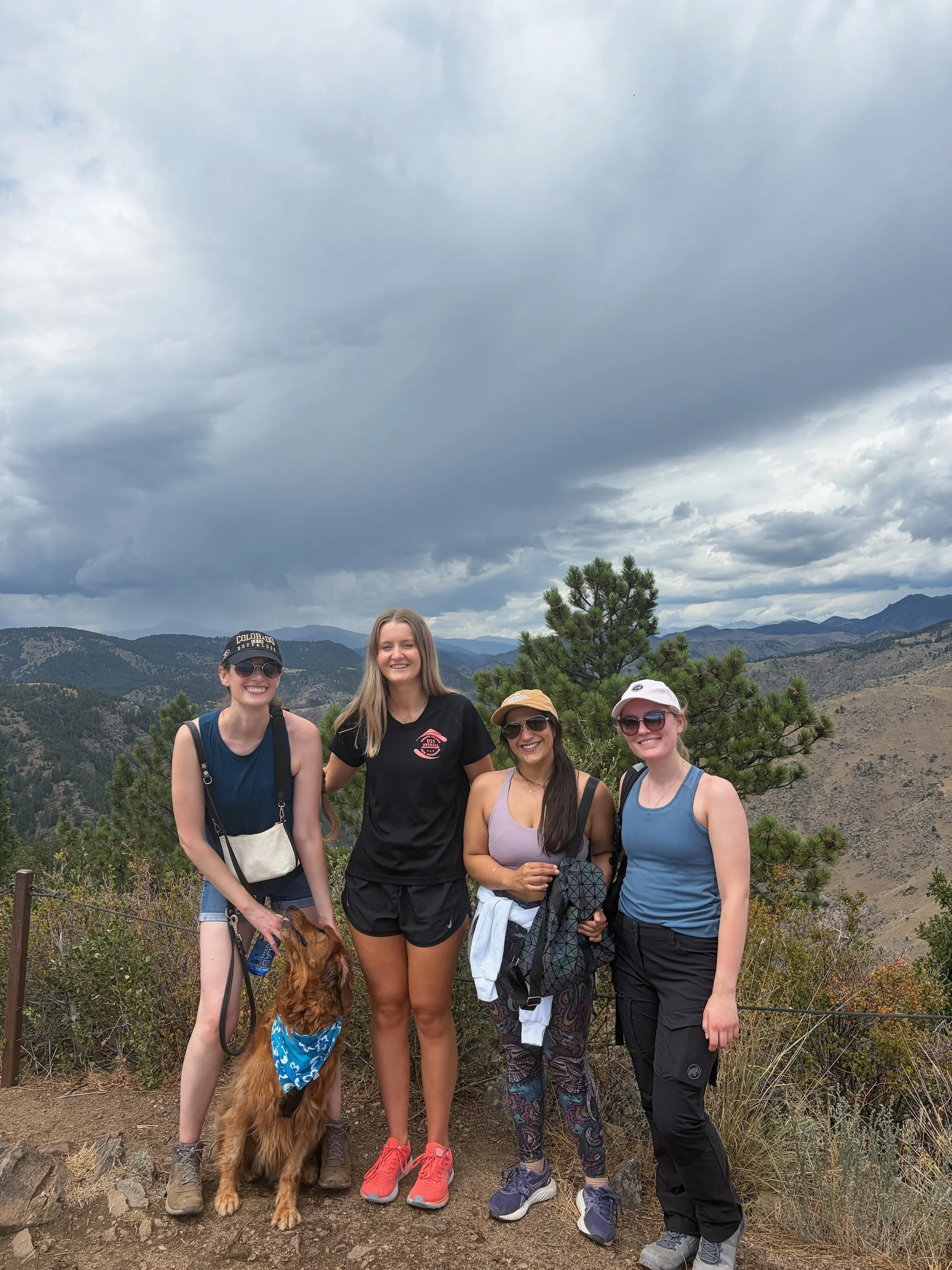
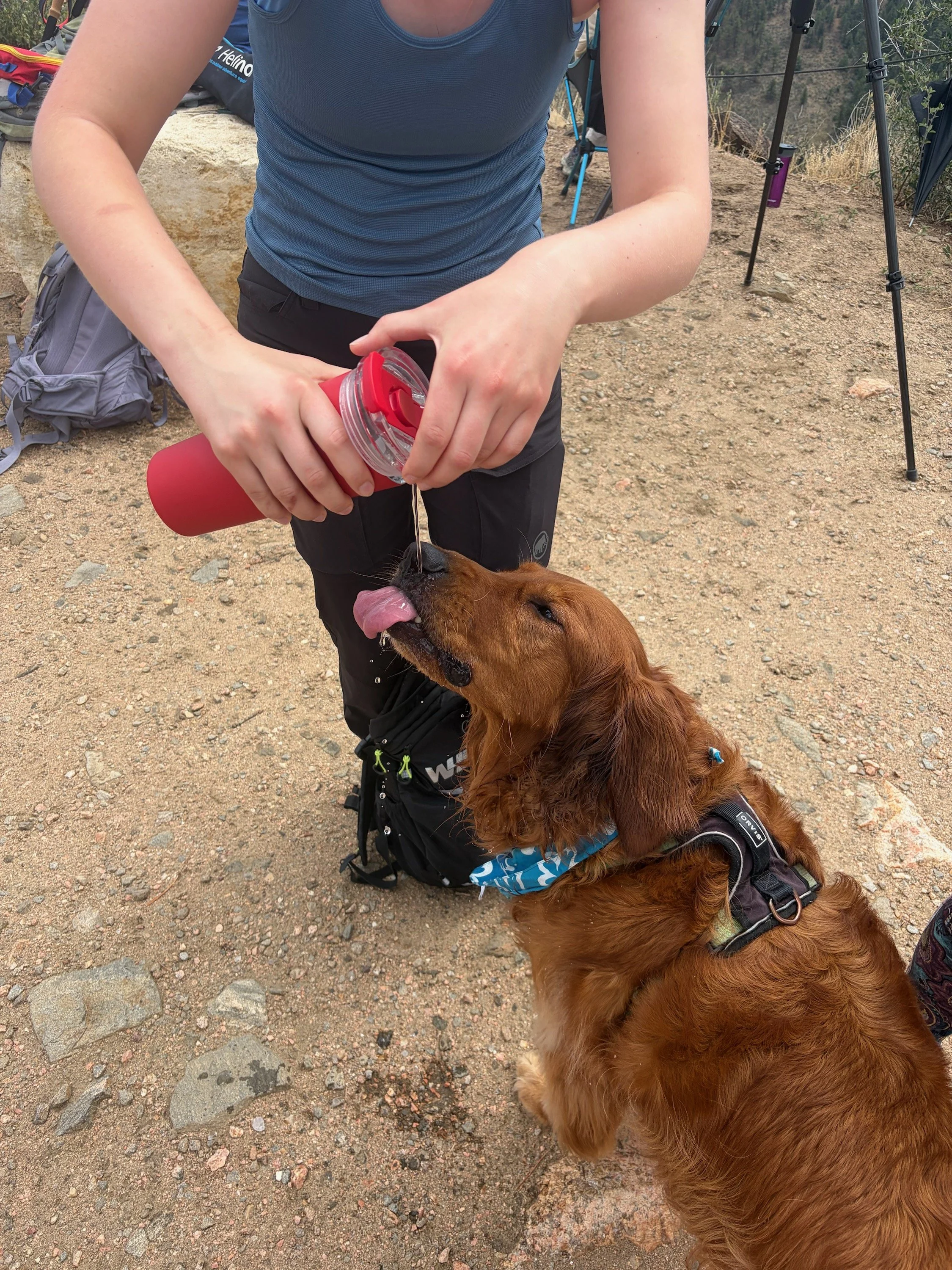
Lab hike in beautiful Colorado!
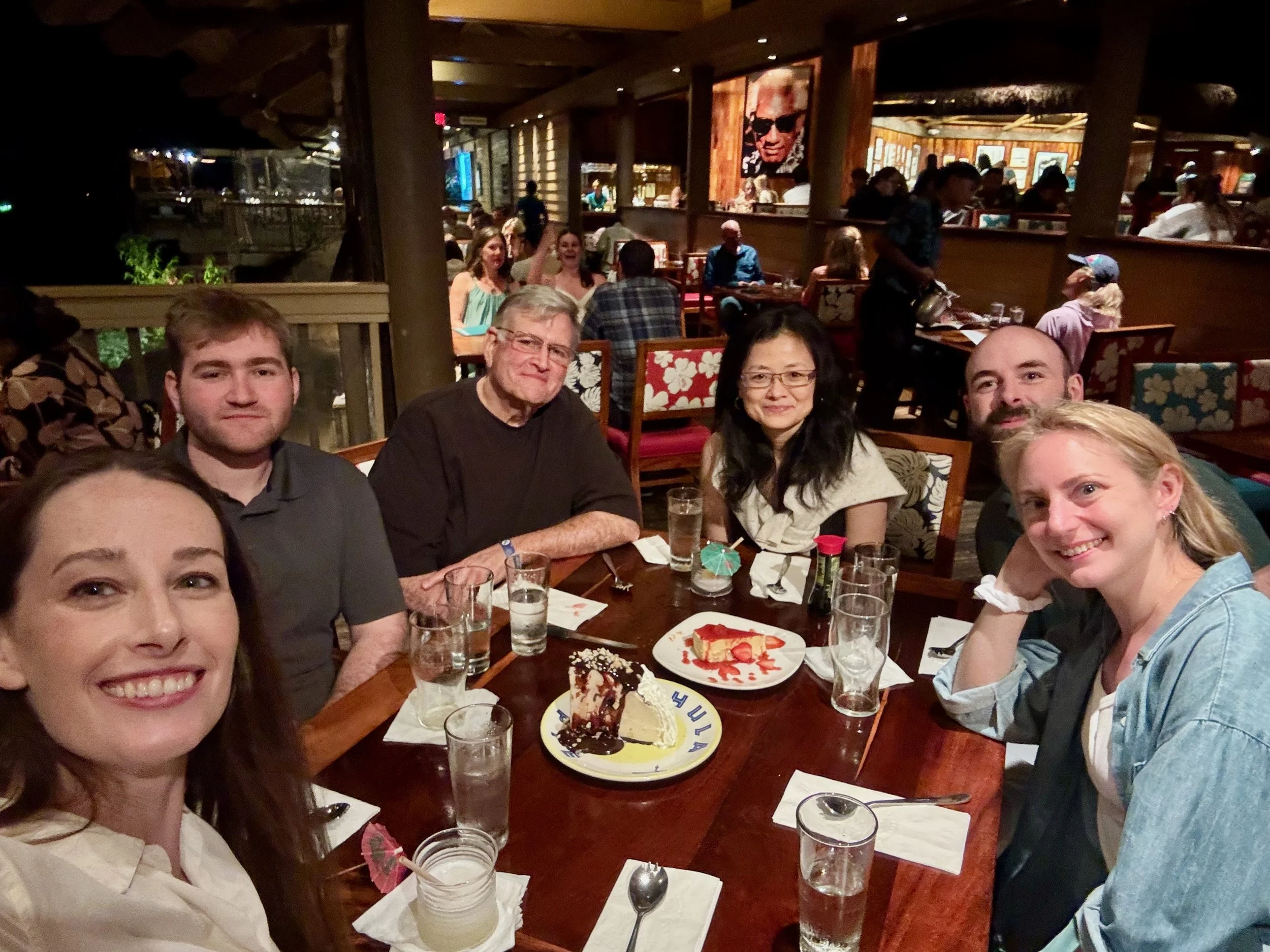
The Molecular Psychiatry Symposium in Lihue, Hawaii was an incredible experience, and great science! Very glad to meet this community of scientists.



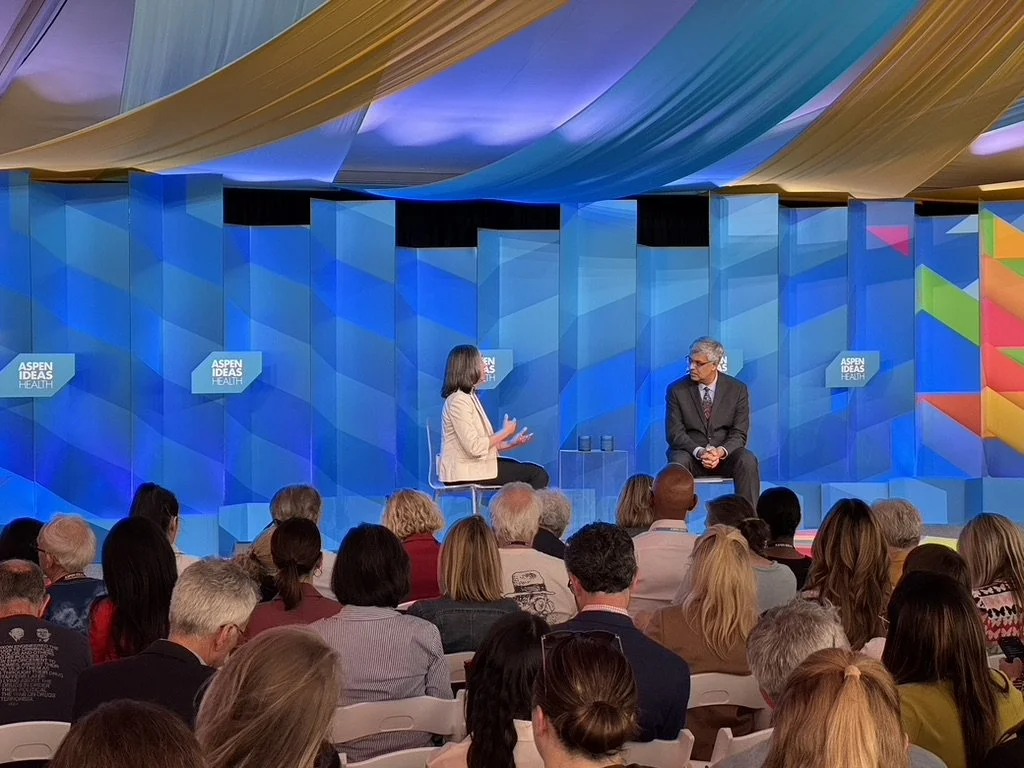
Aspen Ideas Health was incredibly inspiring! So happy to meet founders, funders, and big thinkers in women’s health!

Making new friends and learning about the amazing local science happening at the Society for Developmental Biology Southwest Division Symposium in Albuquerque, New Mexico!
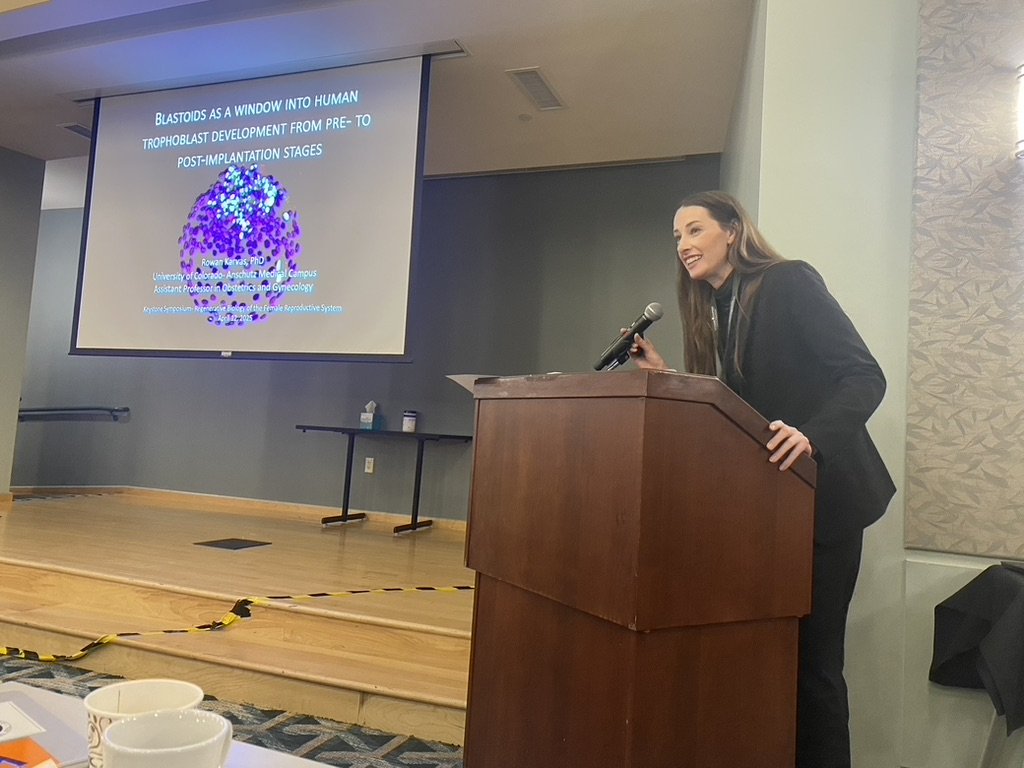
Keystone Symposium- Reproductive organoids, 2025. Looking forward to attending this meeting in the future!

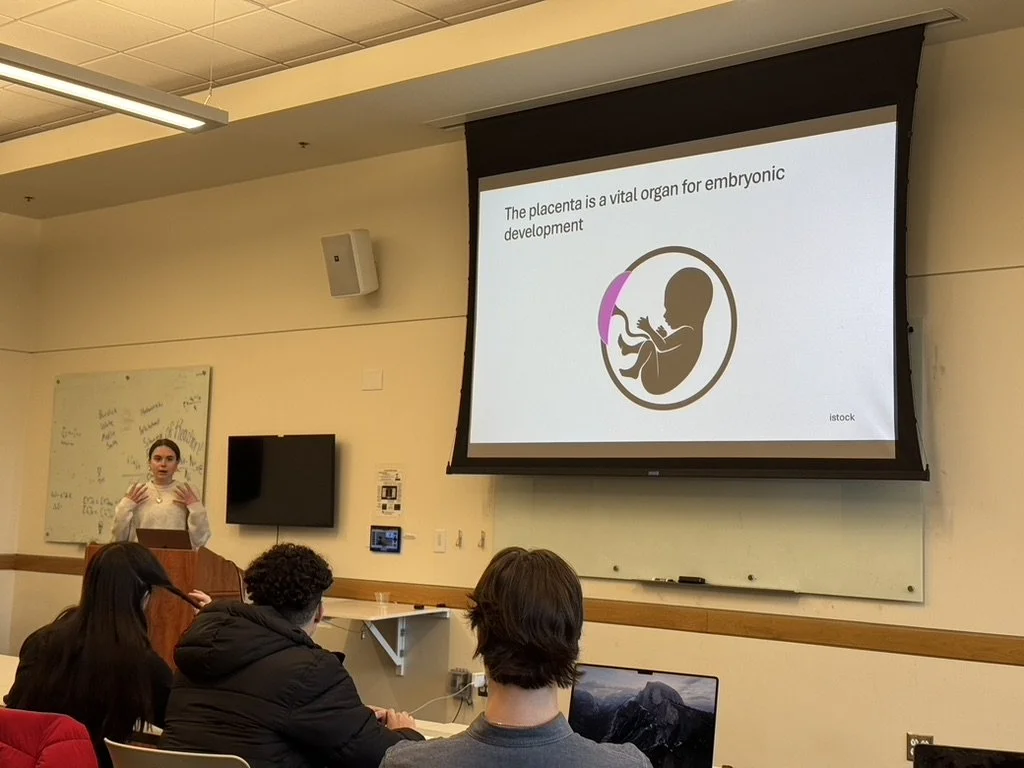
Congratulations Lauren Ohler on a great rotation in our lab! We look forward to continuing our work together and can’t wait to see what you accomplish in your future research.
Launching the Lab!

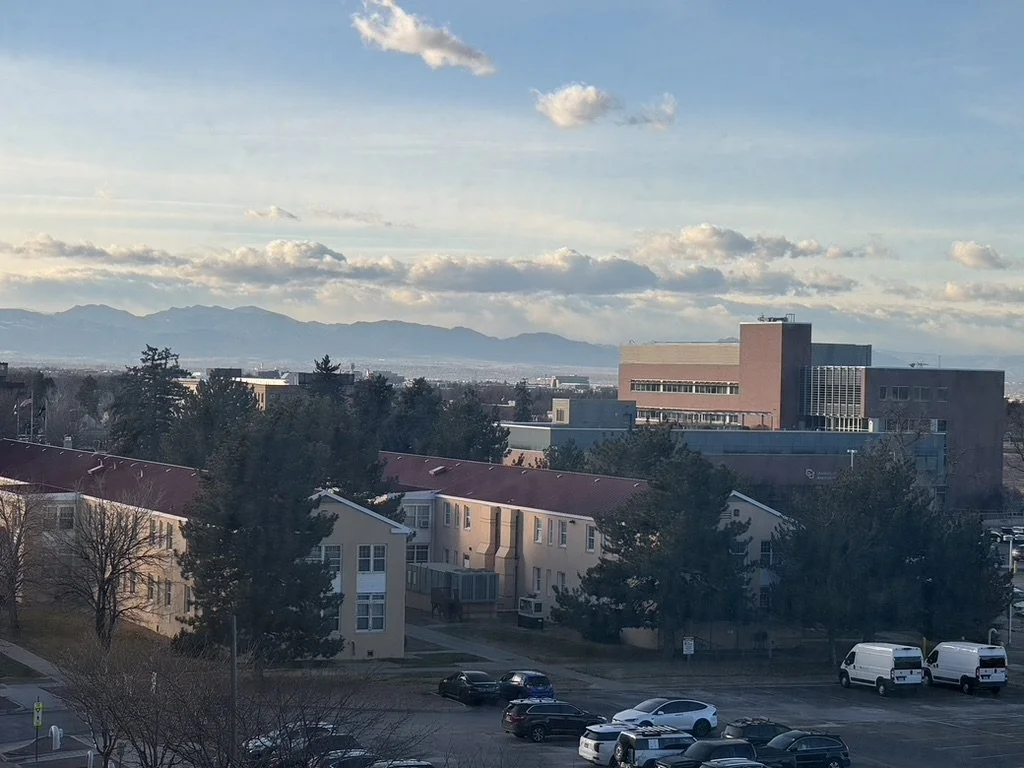
Our lab has a beautiful mountain view!
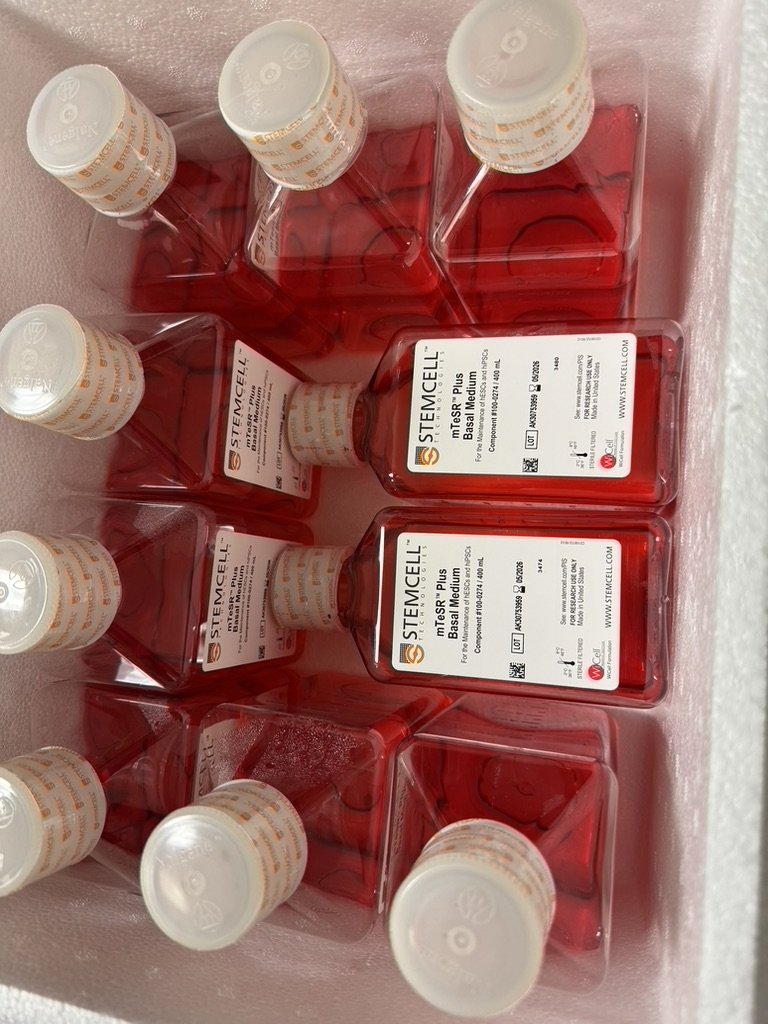
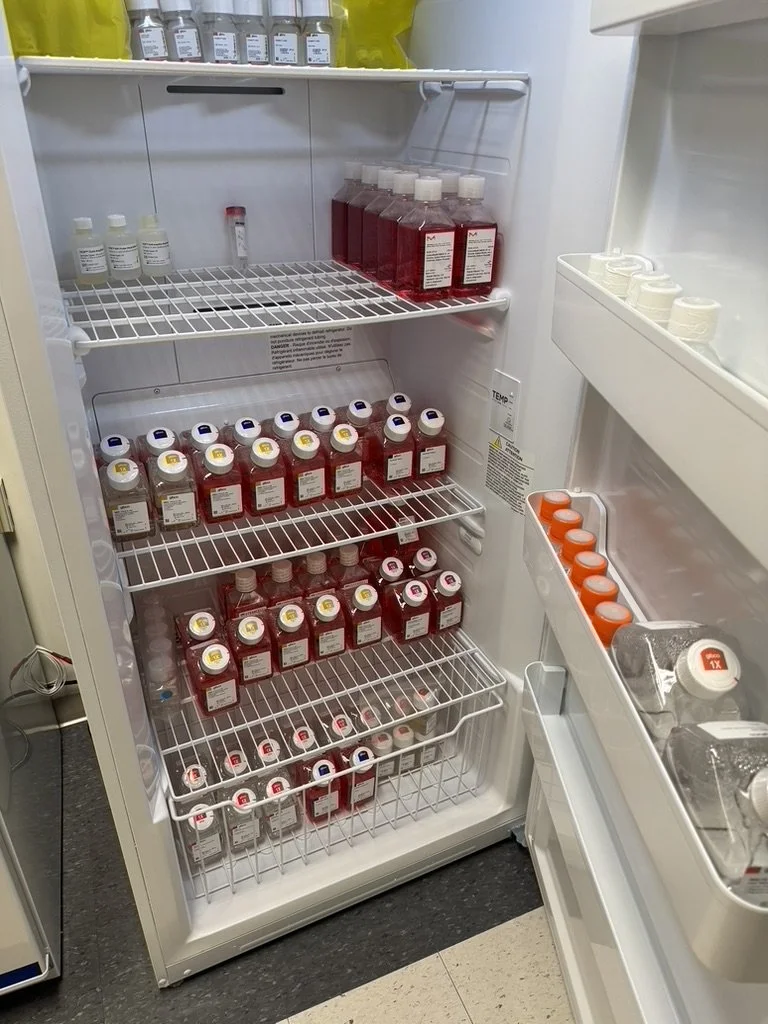

Fully stocked with cell food!